Baby Tracker - Pregnancy Care
- 4.5
- Rating
- 1.00M
- Installs
- Free
- Price

 Analysis by App-foxy
I found Baby Tracker - Pregnancy Care most useful when I treated it as a quick daily companion rather than a complete replacement for medical guidance or a full family health record. It brings several moments of pregnancy and early-parenting tracking into one place: baby notes, pregnancy-related information, a contraction timer, and ovulation tools. That combination makes sense for someone who wants fewer separate apps and prefers opening one simple tracker whenever a thought, symptom, or timing detail needs to be recorded.
The app is developed by サウズヒロ and sits in the parenting category. It is free to use, rated for Everyone, and has attracted over 500 thousand installs. Its average rating is 4.6, which suggests that many people find the basic idea practical, although I would still judge it by whether its workflow fits your routine. The current release is version 1.0.2, and it works on Android 9 or later.
How the app feels during ordinary use
My first impression is that the app is designed around short visits. A baby tracker is most valuable when it lets you record something while you are tired, holding a child, or moving between tasks. The pregnancy side has a similar requirement: timing a contraction or checking an ovulation-related tool should not feel like a project. Baby Tracker - Pregnancy Care is best understood through that lens. Its value comes from bringing practical tracking actions together, not from trying to become a large medical platform.
You May Also Like

 Blood Strike: 2.5 Anniversary
Blood Strike’s Loadouts Turn Every Drop Into a Tactical Gamble
A close look at Blood Strike’s custom loadouts: how fast access to signature weapons reshapes its battle royale rhythm, rewards preparation, and narrows the gap between fights.

 Pandora - Music & Podcasts
Pandora’s Music Is Easy to Start, but Harder to Recover
Pandora’s strength is its low-effort path from a seed to a station. Its weak spot is how much confidence it asks you to place in connection, setup, and quiet recovery.

 8 Ball Pool
 Is Built on Rivalries, Rematches, and Routine
A close look at the rivalries, rematches, shared routines, and unanswered safety questions that turn a quick pool match into a persistent mobile community.

 Samsung Music
’s Quiet Strength Is Playing What You Already Own
Its reach comes less from spectacle than from dependable access to a personal library. That simplicity is both the app’s strongest retention engine and its ceiling.

 AccuWeather: Weather Radar
AccuWeather Review: A Quick, Clear Forecast for Everyday Decisions
For everyday plans, the best forecast is the one you can understand quickly. AccuWeather makes rain timing, radar, and local conditions easy to act on, with a few trade-offs.

 Hill Climb Racing
Why Hill Climb Racing Still Turns Crashes Into One More Run
A tiny car, a bumpy hill and one more upgrade: Hill Climb Racing keeps resurfacing because its simple chaos makes every near-miss feel personal.
More From Our News Desk



In normal use, I would expect the app to feel responsive when opening a tracker, starting a timer, or entering a small piece of information. Those are focused actions, and the app’s purpose is well suited to them. I would not install it expecting a visually elaborate pregnancy planner, a detailed clinical dashboard, or a broad social community. The short store description is simply “Baby Tracker,” and that plain positioning matches the most convincing use case: fast personal records with pregnancy tools available alongside them.
There is also a useful psychological advantage to a compact tracker. When several related needs are kept in one app, I am less likely to forget where I wrote something down. That matters during a busy day, especially if I am switching between pregnancy planning and baby care. The trade-off is that one combined app may feel less specialized than an app built only for contractions, only for ovulation, or only for newborn routines.
What happens when I use it repeatedly
The strongest workflow is likely to be a repeated, lightweight one. I would open it at roughly the same points each day, record only what is useful, and avoid turning every entry into a long administrative session. For example, someone preparing for a baby could use the pregnancy tools when needed, then continue using the baby-tracking side after birth instead of learning an entirely different interface.
That continuity is more important than it first appears. New parents often have little patience for complicated setup, and pregnancy-related tracking can already involve enough dates, questions, and routines. Keeping the same app available across those changing stages may reduce friction. However, I would still review the entries periodically and keep important medical information in the format requested by a healthcare professional, rather than assuming an app record is automatically a formal clinical document.
A practical tip is to decide in advance which information you genuinely need. If you are timing contractions, use the timer consistently instead of mixing timed events with vague memory. If you are using ovulation tools, record observations in a steady routine so that later comparisons are meaningful. The app can support a habit, but it cannot create useful patterns from scattered or incomplete entries.
Busy moments and heavier tracking sessions
The most demanding moment for this kind of app is not necessarily a long browsing session. It is a burst of repeated actions: starting and stopping a contraction timer several times, entering multiple baby-related notes, or moving quickly between tools while tired. In those moments, the important qualities are clear controls, quick recovery after an accidental tap, and confidence that the last action was accepted.
I would test the contraction timer before relying on it in an important situation. Start it, stop it, and repeat the process while the phone is in the position you normally use. This is a better test than opening the app once and deciding that it looks simple. A timer is only helpful if its operation feels natural under pressure. If you find yourself checking whether the button responded, the tool may add stress rather than remove it.
Another useful habit is to avoid keeping unnecessary screens open. If I were using the app during a long day, I would close it after saving a record and reopen it when needed. That keeps the workflow focused and makes it easier to notice whether the app resumes cleanly. It also avoids confusing an old screen with the current state of a timer or entry.
For baby tracking, heavy use can happen during a cluster of feeding, sleep, or care notes. Even without treating every entry as a scientific measurement, a consistent record can help a parent describe a routine to another caregiver. The app is particularly appealing when one person needs to capture information quickly and explain it later. Its limitation is that the usefulness of those records depends heavily on everyone following the same recording method.
Stability, interruptions, and recovery
I would be cautious about judging reliability from a single successful launch. A parenting tracker earns trust through repetition. The real test is whether it remains understandable after interruptions: a phone call, a locked screen, a battery-saving pause, or an accidental move to another app. Since the app includes a contraction timer, recovery deserves special attention. Before using it seriously, I would verify what I see after returning to the app and make sure the recorded event is clear.
That is not a criticism of this particular release so much as a sensible rule for any timing tool. A timer should never be the only record used for an urgent health decision. If contractions are concerning, unusually painful, or different from the guidance you have received, contact a qualified healthcare professional rather than relying on an app screen. The same principle applies to ovulation tools: they can help organize personal observations, but they should not be treated as a guarantee of fertility or as medical diagnosis.
The app’s free price makes this testing easier. I can try the workflow without committing money, see whether the controls suit me, and decide whether I trust it as part of my routine. That also means I would spend a few minutes checking the basics before depending on it: whether records remain visible after closing the app, whether the timer behaves as expected after an interruption, and whether the information is presented clearly enough to share with a partner or clinician when appropriate.
One less obvious point is recovery from human error. In a tired state, I may start a timer too early, stop it too late, or enter a note under the wrong moment. A good personal workflow leaves room to identify mistakes immediately. I would glance at each saved event before moving on and avoid filling in several past events from memory unless there is no alternative. The app can organize what I enter, but it cannot reliably correct an inaccurate recollection.
Phones, Android versions, and practical limits
Baby Tracker - Pregnancy Care supports Android 9 and later, so it is aimed at a broad range of Android phones rather than only the newest devices. That is helpful for families using an older handset as a shared tracker or keeping a previous phone for household tasks. At the same time, an older operating system can behave differently from a current one, especially when the phone applies aggressive battery management or limits background activity.
If the contraction timer matters to you, check the app on your actual phone instead of assuming that compatibility alone guarantees a perfect experience. Battery-saving settings, a crowded device, or an older handset may affect how comfortable the workflow feels during repeated use. I would also keep the phone sufficiently charged before a long appointment, trip, or late-pregnancy period when timing might become relevant.
Resource demands are likely to be modest for a tracker centered on short entries and timers, but I would not present that as a measured performance result. The app does not need to be open all day to be useful. In my routine, the sensible approach would be to launch it for a specific task, save the information, and leave it closed. That reduces distraction and makes the app part of a routine instead of another constantly active screen.
Screen size can matter more than raw phone power. On a small display, timing controls and text may feel less comfortable when I am moving quickly. On a larger phone, the same actions may be easier to review. Anyone with limited vision or reduced dexterity should test the controls personally, because a parenting tracker is only convenient if its buttons and records can be read and operated without effort.
I would also be careful when treating the app as a shared household system. One phone can be convenient, but it may become a bottleneck if two caregivers need to record events at the same time. If your family requires synchronized access across several devices, a more specialized service with clearly documented sharing features may be a better fit. Baby Tracker - Pregnancy Care makes the most sense when one person, or a small household using one primary device, can maintain the record consistently.
Where it beats separate alternatives
The clearest advantage over the usual alternatives is consolidation. Instead of installing one app for pregnancy notes, another for contractions, and a third for ovulation-related tracking, I can begin with one parenting-focused tool. That reduces the mental cost of remembering which app contains which record. It is especially convenient for someone moving from trying to conceive into pregnancy and then into early baby care.
Separate specialist apps can still be better in specific situations. A dedicated contraction timer may offer a more focused experience for someone who is already in labor and wants nothing else on the screen. An ovulation-focused app may suit a person who wants a deeper fertility calendar or a narrower conception workflow. A newborn log designed for multiple caregivers may be preferable when shared access and detailed handoffs matter more than having pregnancy tools in the same place.
My advice is to choose based on the moment that matters most. If you want an all-purpose starting point and appreciate having related tools together, this app is a sensible candidate. If one function is central to your health planning, compare the dedicated alternatives before making it your only tool. The convenience of one app is real, but specialization can win when precision, collaboration, or a particular reporting format is the priority.
Who will get the most from it
I would recommend it to an expectant parent who wants a straightforward place to begin, someone planning pregnancy who prefers a combined tracker, or a new parent who does not want to maintain several separate apps. It may also suit a caregiver who values quick notes and wants pregnancy-related tools available without changing platforms.
A realistic everyday scenario would be a parent waking during the night, checking a baby-related record, and later using the same app to review a pattern before discussing it with a partner. During the day, that person might use the contraction timer for practice or early timing, then return to ordinary baby notes after the child arrives. The benefit is not that the app solves every parenting problem; it is that the record stays in one familiar place while the user’s needs change.
I would skip it if you need a full medical record system, guaranteed clinical interpretation, or a highly collaborative platform for several caregivers. I would also look elsewhere if you dislike combined apps and want a single-purpose interface with extensive specialist controls. People who rarely record information will gain little from any tracker, and people who need a formal report should follow the system recommended by their healthcare provider.
My performance verdict
After considering how I would use it under calm conditions and during rushed moments, I see Baby Tracker - Pregnancy Care as a practical, low-commitment parenting app rather than an advanced medical product. Its free access, broad Android compatibility, and combination of baby, pregnancy, contraction, and ovulation tools give it a clear reason to exist. The most convincing benefit is the reduced switching between related trackers.
Its performance value comes from keeping tasks short and repeatable. I would expect the app to be most comfortable when opened for one action at a time, tested on the phone that will actually be used, and supported by a consistent recording habit. The main friction is that combined convenience may not satisfy users who need deep specialization, multi-device coordination, or clinical-level documentation.
Released on January 12, 2026, the app is still a relatively focused choice for people who want to try a parenting tracker without paying first. I would install it, test the timer and everyday record flow, and keep my healthcare guidance separate. My recommendation is to use it as an organized personal companion, not as the final authority on pregnancy or baby health. For that role, it offers a sensible balance of convenience and scope, provided you choose it for quick tracking rather than expecting it to replace specialist care or a shared family system.
FAQs for Baby Tracker - Pregnancy Care
01What features does Baby Tracker - Pregnancy Care offer?
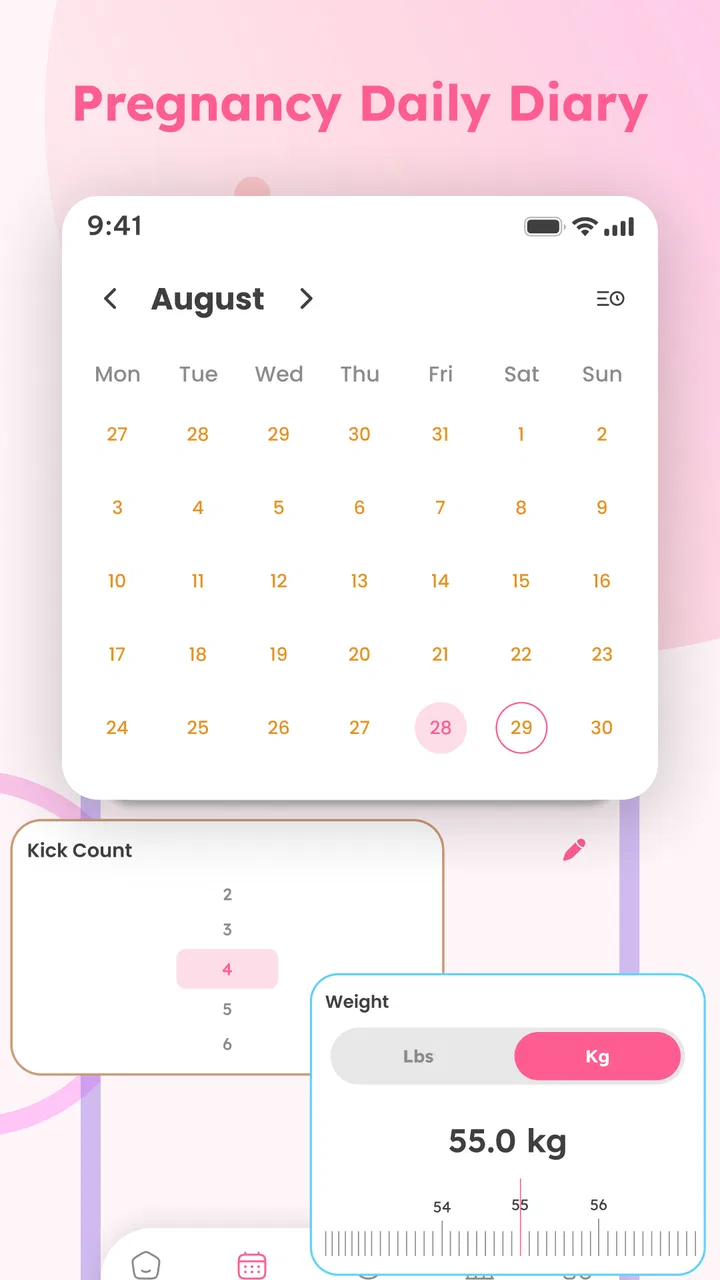
Baby Tracker - Pregnancy Care provides a comprehensive suite of features to support expectant mothers and new parents. It includes tools for tracking pregnancy milestones, monitoring fetal development, and logging symptoms. Additionally, the app offers a journal for recording personal experiences, a kick counter, and contraction timer, along with access to expert advice and community support.
02Is Baby Tracker - Pregnancy Care free to use?
The app offers a free version with access to basic features such as milestone tracking and community forums. However, for advanced features like customized health insights, ad-free experience, and premium content, users may need to opt for in-app purchases or a subscription model. Pricing details are available within the app.
03How secure is my personal information on Baby Tracker - Pregnancy Care?
Baby Tracker - Pregnancy Care prioritizes user privacy and employs robust security measures to protect personal information. The app uses encryption to safeguard data and complies with relevant privacy regulations. Users can review the privacy policy within the app to understand how their data is handled and can opt out of data sharing if desired.
04Can I sync Baby Tracker - Pregnancy Care with other devices?
Yes, Baby Tracker - Pregnancy Care allows users to sync their data across multiple devices. This feature ensures seamless access to information whether you're using a smartphone or tablet. To enable syncing, users need to create an account and log in on each device they wish to use, ensuring all data remains up-to-date.
05Does Baby Tracker - Pregnancy Care provide medical advice?
While Baby Tracker - Pregnancy Care offers helpful tips and general advice, it is not a substitute for professional medical guidance. The content is curated by experts but should be used as a supplement to consultations with healthcare providers. Users are encouraged to contact their doctors for personalized medical advice.
Pros
- User-friendly interface for easy navigation.
- Comprehensive tracking of baby milestones.
- Customizable reminders for appointments.
- Syncs across multiple devices seamlessly.
- Detailed reports for health and growth.
Cons
- Limited features in free version.
- Occasional sync issues reported.
- Some users find ads intrusive.
- Lacks integration with certain wearables.
- In-app purchases can add up quickly.

Baby Tracker - Pregnancy Care
Gallery